Why I Stopped Chasing the “Perfect” Workout (And Found Something That Actually Works for My Diabetes)
 Wayne
Wayne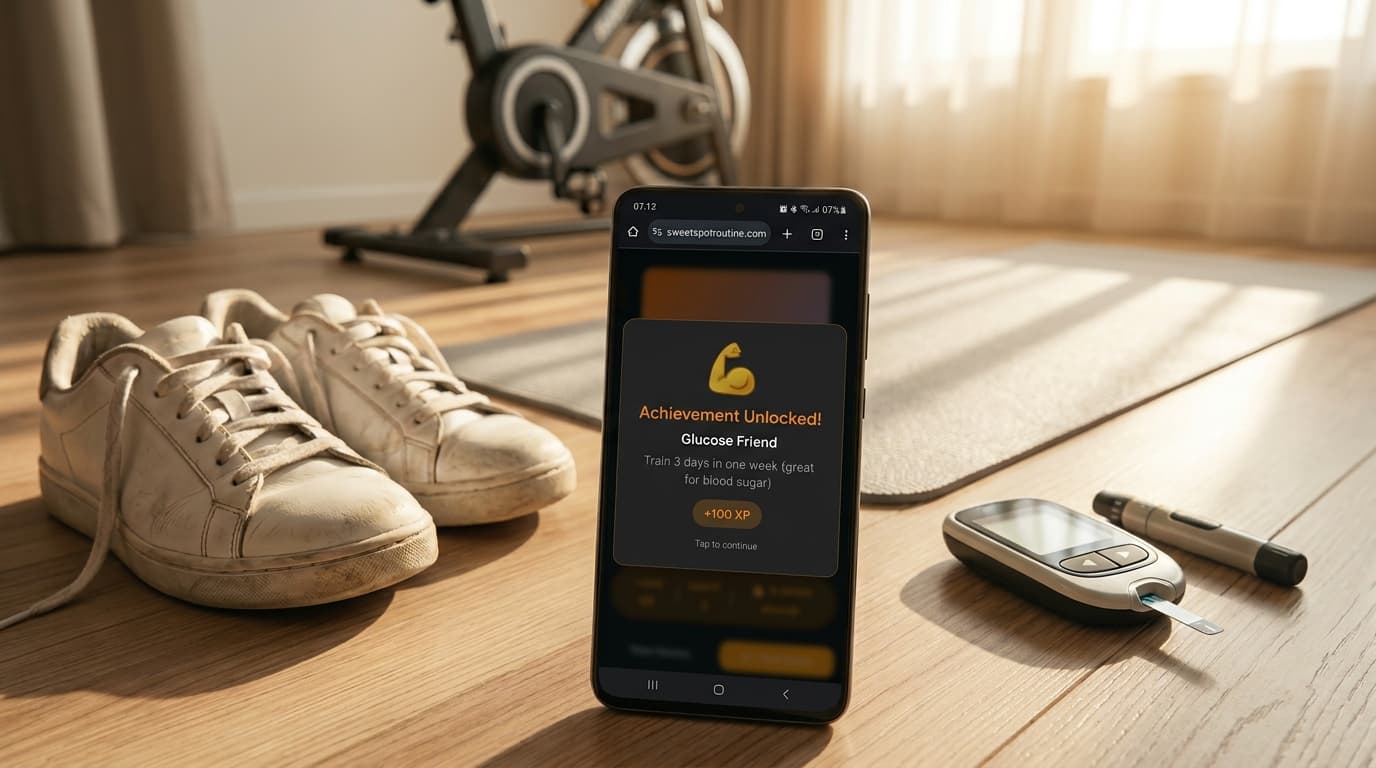
“So… still working out?”
I wanted to lie. I really did. But the truth was written all over my face, and probably also on my glucose readings from the past three months.
“Not really,” I mumbled.
He meant well. He’s one of those guys who loves the gym. The kind who gets excited about a new leg press machine. He spends an hour and a half doing fifteen different exercises, leaves drenched in sweat, and comes home buzzing.
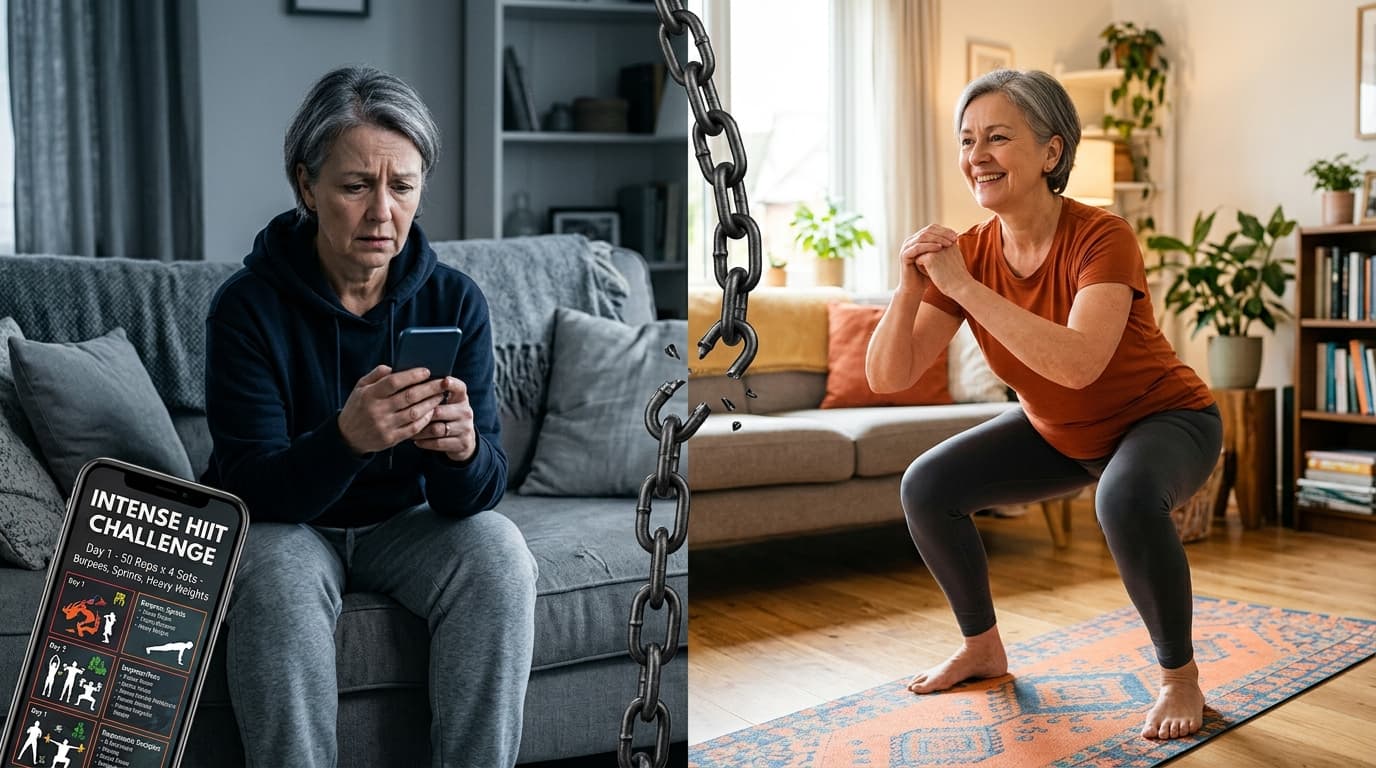
And me? I had tried to follow his advice. Downloaded his app. Tried his split routine.
Lasted two weeks.
Not because I didn’t want to be healthy. Not because I didn’t know exercise is crucial for diabetes management. But because somewhere between the warm-up and the fourth exercise, my brain would start whispering: This is too much. You don’t know what you’re doing. Just stop.
So I did.
The experts aren’t wrong. But they’re not always right for us.
Here’s the thing.People who really know movement—physiotherapists, trainers, that guy at the gym who’s been lifting since the 90s—they’ll tell you that variety matters. That you need different angles, different rep ranges, different exercises to hit all your muscles.
And they’re not wrong.
If your goal is to become a competitive athlete, or to sculpt every single muscle group individually, or to prepare for a bodybuilding competition? Yes. You need variety. You need complexity. You need to spend hours figuring it out.
But here’s what they don’t always see.
Most of us with diabetes aren’t aiming for a competition stage.
We’re aiming for Tuesday. And Thursday. And the next Tuesday after that.
We’re aiming for a body that responds better to insulin. For mornings when we wake up and our numbers aren’t a mystery. For feeling like we have some control over this disease that so often feels uncontrollable.
And when complexity gets in the way of that? It’s not helpful. It’s a barrier.
I’ve learned something about barriers
Over the years, I’ve collected excuses like other people collect gym bags.And you know what? Every single one of those excuses felt real.
When you’re staring down a workout that requires you to remember eight different exercises, in the right order, with the right form, and you’re already mentally exhausted from managing your blood sugar all day? That’s not laziness. That’s overwhelm.
Our brains are wired to avoid overwhelm. It’s not a character flaw—it’s survival.
So I stopped. Again and again.
Until I realized something that should’ve been obvious all along.
What if the workout adapted to me instead of the other way around?
I started asking myself a different question.Not: What’s the best workout for diabetes?
But: What’s the workout I can actually stick to for the next six months?
Because here’s the math that finally clicked for me:
A “perfect” workout you do once is worthless. A “good enough” workout you do twice a week for a year? That changes your life.
I know—it sounds too simple. Almost disappointing. We want there to be a secret. A magic formula.
But the secret, if there is one, is just showing up. Again and again.
That’s where the SweetSpot thing came in
I stumbled into this concept almost by accident. A friend told me about a little app she was using—nothing fancy, no pressure. Just a few exercises, done in a circuit, with a voice in your ear telling you what to do next.At first I was skeptical.
Only six exercises? That’s it?
But I tried it. And something strange happened.
I finished the workout. Then I did it again the next week. And the week after.
Just movement. Done.
And slowly, over time, the numbers started to shift. Not just on the scale or in my glucose readings—though those improved too. But in my head.
I started to see myself as someone who does this. Someone who moves. Someone who shows up.
The problem with “more”
We live in a culture that tells us more is better. More exercises. More variety. More intensity. More everything.But for those of us managing a chronic condition, “more” is often the enemy of “enough.”
Because when you aim for more and fall short, what do you feel? Failure. And failure is a terrible motivator.
But when you aim for enough—enough movement, enough consistency, enough effort to make a difference—and you actually do it? That feeling is pure gold.
That feeling builds. It compounds. It turns into identity.
What the data actually says
I’m not making this up. The research on habit formation is pretty clear:Simple behaviors repeated consistently beat complex behaviors done occasionally. Every single time.
For diabetes specifically, the benefits of regular movement aren’t about which exercises you do. They’re about:
Muscles using glucose without needing as much insulin
Improved circulation
Better stress management (which directly affects blood sugar)
Weight management that actually sticks
And all of those benefits come from any consistent movement. Not the perfect movement.
The badge thing surprised me
Okay, I’ll admit something slightly embarrassing.The app I started using had these little badges you could earn. Move three times in a week—badge. Complete ten workouts—badge.
I’m a grown adult. I didn’t think I cared about digital badges.
But I did.
There was something about seeing my progress visualized. About watching the numbers stack up. About knowing that Tuesday’s workout wasn’t just Tuesday—it was part of a streak, a story, a habit.
It sounds silly to say out loud, but those little visual reinforcements kept me going on days when I would’ve quit.
And the coach part?
This is the thing I didn’t expect to love as much as I do.Because even with a simple routine, questions come up.
My blood sugar dropped during the workout—what should I do next time? I’m traveling this week—how do I keep the habit? I’ve been doing this for two months—should I change something?
In a traditional gym, you’d need a personal trainer on speed dial. Or you’d just guess.
But being able to ask those questions—in plain language, in my own words—and get answers that actually make sense for my situation?
That’s the difference between a workout and a practice.
Where are you on this spectrum?
I’m not here to tell you that complex workouts are bad. They’re not. If you love them, if they work for you, if you’ve found a way to stick with them for years? Amazing. Keep going.But if you’re like I was—stuck in the gap between knowing you should move and actually doing it—maybe it’s time to ask a different question.
Not “what’s the best workout?”
But “what’s the workout I’ll actually do?”
Because the best workout in the world is useless if it lives in your head and not in your body.
What I want you to take from this
I’m not selling perfection here. I’m not even selling a specific program.I’m selling the idea that you deserve to find movement that fits your life, not the other way around.
That consistency beats complexity.
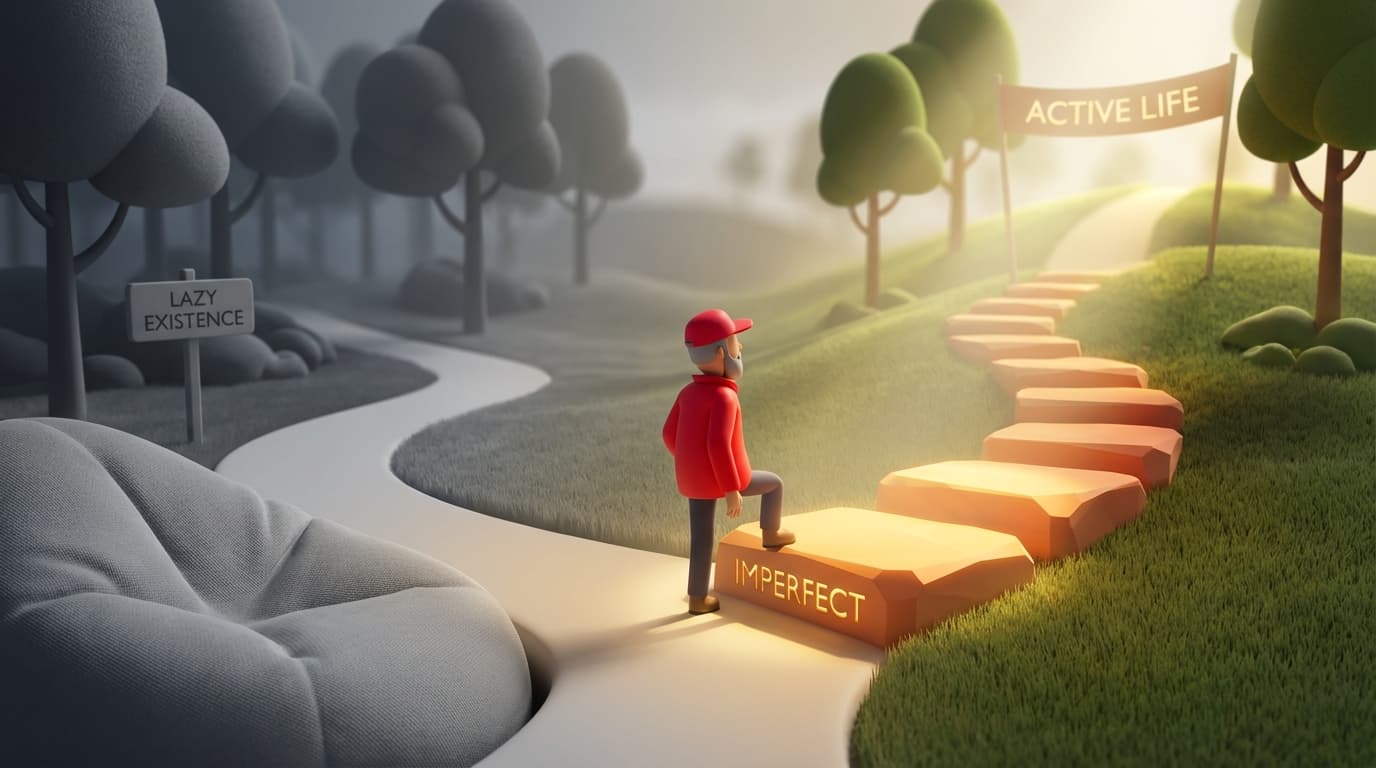
That showing up—even imperfectly, even with just a few exercises, even when you don’t feel like it—is enough. More than enough. It’s everything.
And that diabetes doesn’t have to mean complicated fitness. Sometimes it can mean the simplest thing you do, over and over, until it becomes who you are.
What’s the smallest version of movement you could actually stick to this week?
FAQ
What's wrong with following expert workout advice?
Nothing is wrong with expert advice in general. The problem is that most workout programs are designed for healthy, motivated people — not for someone managing diabetes, fatigue, and daily life challenges. What works in theory doesn't always work in practice.
How is the Sweetspot Routine different from other workout plans?
It's designed around consistency rather than intensity. Instead of complex programs that change weekly, you repeat a simple circuit of 5 exercises, 3 times per week. The app guides you with voice prompts, tracks your progress, and adapts to your pace.
Can a simple routine really be effective for diabetes management?
Yes. Research consistently shows that regular, moderate exercise is more effective for blood sugar control than occasional intense workouts. The key factor is adherence — and simple routines have dramatically higher adherence rates.
What are the badges and gamification elements mentioned in the article?
Sweetspot Routine uses experience points (XP), levels, and achievement badges to make training feel rewarding. You earn badges for milestones like completing your first week, reaching 1000 reps, or maintaining a training streak.
What's the smallest workout I can start with?
You can start with as little as 3 minutes — just a few reps of each exercise. The app's assessment determines your starting level, and you build up gradually. There's no minimum requirement to begin.
Written by Wayne
Founder of Sweetspot Routine. Passionate about helping people with type 2 diabetes take control of their health through sustainable fitness.