From Tired to in Control: How 15-Minute Workouts Transformed My Diabetes (and My Life)
 Wayne
Wayne
I remember sitting in my car in the doctor’s parking lot, gripping the steering wheel so hard my knuckles turned white. Inside, I had just been told what I already feared: my HbA1c had climbed to 8.2. Again. The medication was being adjusted. Again.
I was 52 years old, and I felt like I was 80.
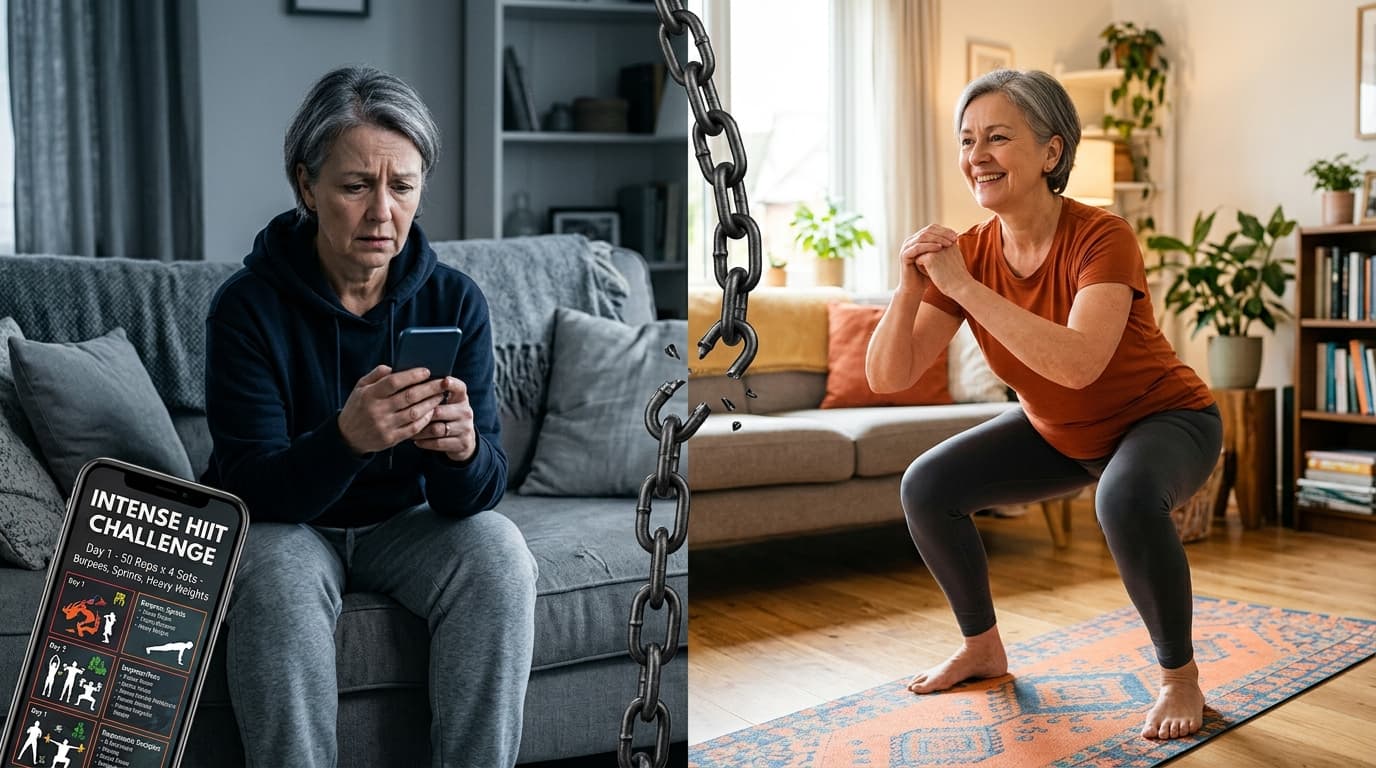
The fatigue was a constant fog. My feet ached after just ten minutes of walking. The thought of "exercise" made me want to laugh—if I wasn’t so close to tears. Who had the energy for that? Who had the time? And even if I did, the idea of walking into a gym filled with spandex and grunting men was my personal vision of hell.
I had resigned myself to it. I thought, "I’m just getting older. This is my life now."
I was wrong.
The Moment I Realized Something Had to Change
It wasn’t a heart attack or a scare that woke me up. It was a Friday afternoon. My three-year-old grandson, Noah, wanted me to come outside and play in the garden. He wanted me to push him on his swing, to chase him around the bushes.
After about four minutes, I had to sit down on the patio steps. I was winded, my feet were throbbing, and I felt a hot flash of shame. Noah looked at me with that pure, honest confusion only a child can have and asked, "Oma, why are you stopping?"
I didn't have an answer. But I knew I had to find one.
That night, I went online. I wasn't looking for "Beast Mode" workouts or promises of six-pack abs. I was looking for something for the ordinary me. The me who was tired, a little broken, and frankly, scared of the future.
That’s when I stumbled upon Sweetspot Routine.
The "Sweet Spot" – Not What I Expected
The name intrigued me. The concept hooked me. It wasn’t about becoming an athlete. It was about finding the "sweet spot" of movement—the minimum effective dose to actually change my health.
The website talked about people like me. People who felt a drempel—that heavy threshold to even start. It promised no complicated gym equipment, no intimidating poses, and no hour-long commitments I couldn't keep.
The logic was simple: You don't need fifty different exercises. You just need to consistently perform the essential ones. Sweetspot Routine packages them into a circuit training format you can do right in your living room.
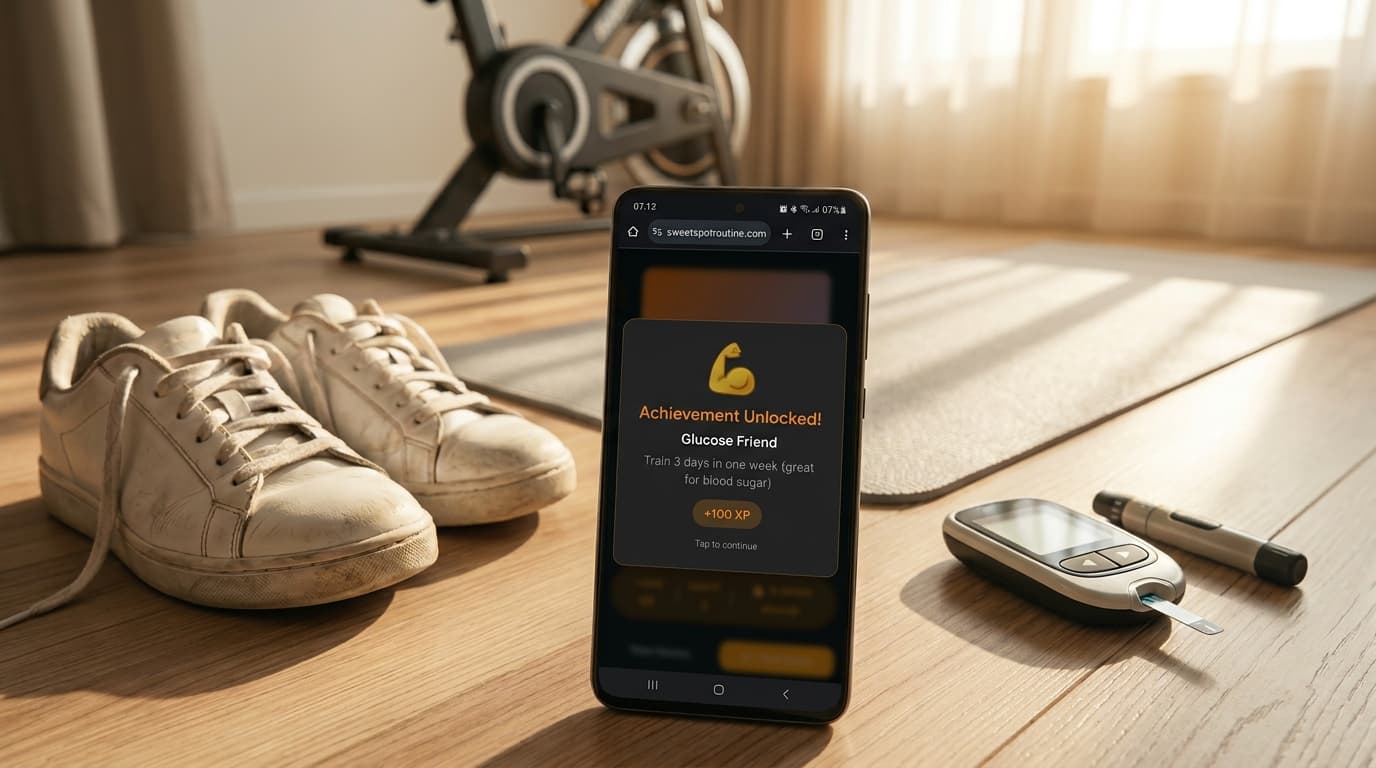
I figured I had nothing left to lose except my pride. So, I downloaded the app and started the free trial.
The First Day: Fifteen Minutes of Hope
I won't lie and say it was easy. My body protested. But here is the genius of the Sweetspot Routine app: you don't have to think.
I put my earbuds in, and the voice of the coach took over. It was like having a personal trainer right there in my house, but one that wasn't yelling at me. It just guided me through the circuit. "Okay, now let's move to the next exercise. You're doing great."
I wasn't checking the clock every five seconds, wondering if I was doing it right. I was just following the voice. Before I knew it, the 15 minutes were up. I was sweating, my heart was pumping, and for the first time in years, I felt… alive.
The Transformation: It’s in the Numbers (and the Feeling)
I committed to it. Fifteen minutes a day. Some days it was hard to find the motivation, but the app made it easy to track. I watched the numbers grow. Not just the reps, but the points. I started collecting digital badges. It sounds silly for a woman my age, but it worked. It was proof of my discipline. I wasn't failing anymore.
After about eight weeks, the real changes started showing up.
- My Blood Sugar: The fluctuations stopped being so wild. My nuchtere waarden (fasting values) started dropping from the 9s and 10s into the 7s. The post-dinner spikes weren't as scary anymore.
- My Energy: I wasn't napping on the couch every afternoon. I had energy to cook dinner, to tidy up, and yes—to play with Noah.
- My Clothes: They fit again. I hadn't even realized how much bloating and stiffness I was carrying until it started to disappear.
- My Mind: The anxiety started to lift. I felt like I was driving the ship again, not just being dragged along by the waves of diabetes.
My huisarts (general practitioner) looked at the screen, then looked at me, and then looked back at the screen. He was genuinely surprised. "Whatever you're doing," he said, "keep doing it." That was the best compliment I’ve ever received. I felt like I had just aced a test I was sure I was going to fail.
Why It Worked (When Nothing Else Did)
People ask me what was different this time. I think it comes down to three things the Sweetspot Routine app provided that I couldn't give myself:
I used to think I had to resign myself to being "old and sick." Now, I feel like the boss of my own body again. I have the energy to garden, to play, to live.
If you are reading this and you feel stuck in that parking lot of fear and frustration, please know: it doesn’t have to be hard. You don't have to climb a mountain. You just have to take the first step in your own living room.
If you recognise this feeling of being stuck, you're not alone. Our practical 5-step guide to finding your exercise motivation is a great place to start. And when you're ready to choose your first exercises, check out the best exercises for type 2 diabetes.
What I Wish I Had Known From the Start
Looking back, there are a few things I wish someone had told me on day one:
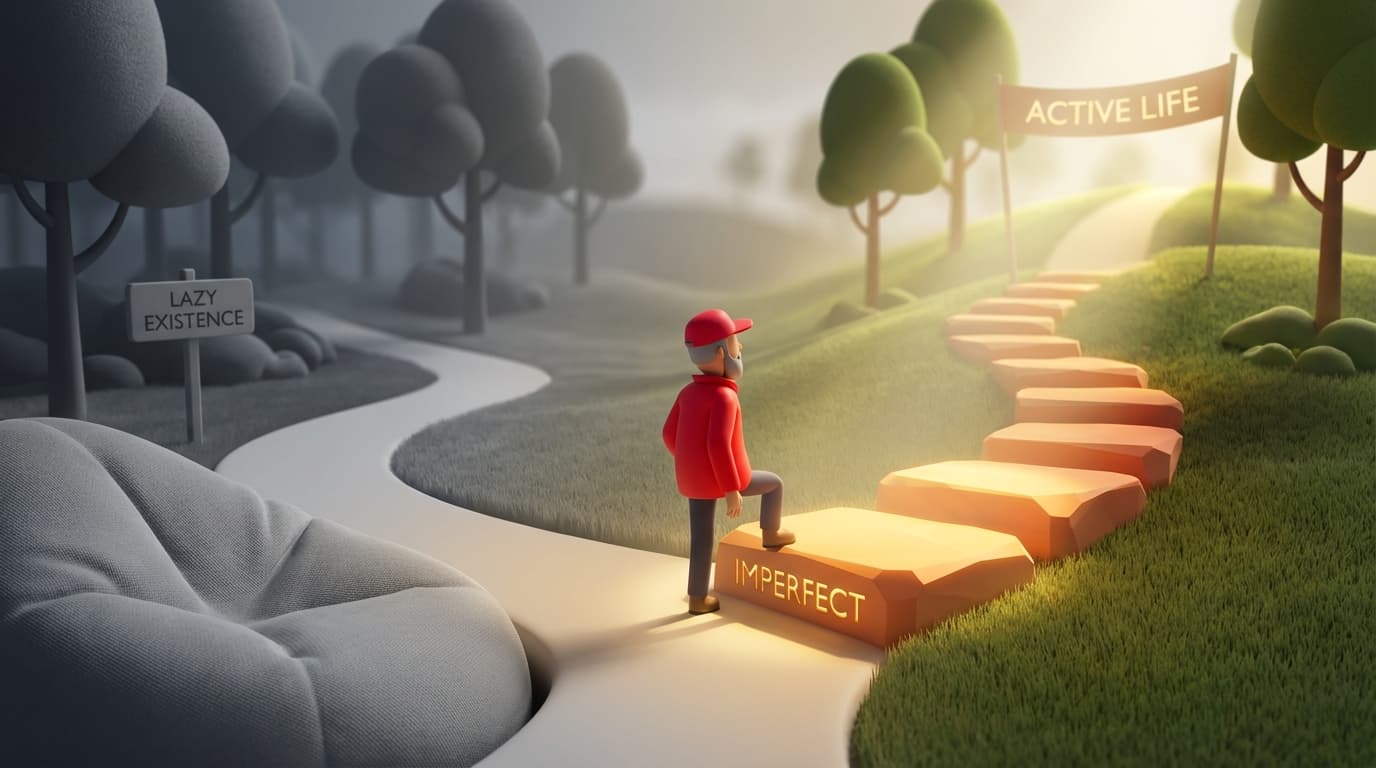
You don't need to feel ready. I waited years for the "right moment" to start exercising. It never came. The day I finally started, I felt just as unprepared as every other day. The difference was that I started anyway — and that was enough.
Small doesn't mean insignificant. My first workout was 15 minutes of the most basic movements imaginable. I felt slightly silly. But that tiny session lowered my post-dinner blood sugar by 2.1 mmol/L. Small? Yes. Insignificant? Absolutely not.
Consistency compounds. After my first month, the changes were subtle. After three months, they were undeniable. My HbA1c dropped, my energy stabilised, and I stopped dreading movement. The secret wasn't doing more — it was simply not stopping.
Your body remembers. Even after a bad week (and there were plenty), getting back into the routine was always easier than starting from scratch. Your muscles remember. Your habits remember. You just have to show up again.
The Practical Side: What My Routine Actually Looks Like
People often ask what I actually do. Here's the honest answer:
* Monday, Wednesday, Friday: A 15-minute circuit with Sweetspot Routine. Squats, push-ups against the wall, marching in place, a plank. Nothing fancy. The voice guidance keeps me moving so I don't have to think. * Tuesday, Thursday: A 20-minute walk after dinner. Sometimes with a podcast, sometimes in silence. Both are good. * Weekends: Whatever feels right. Often a longer walk. Sometimes rest. I've stopped feeling guilty about rest days.
The total? About 75–90 minutes of intentional movement per week. Not the 150 minutes the guidelines suggest, but infinitely more than the zero I was doing before. And my numbers prove it works.
Frequently Asked Questions
Can 15 minutes of exercise really make a difference for type 2 diabetes?
Yes, absolutely. Research consistently shows that even short bouts of exercise improve insulin sensitivity and lower blood sugar. A 15-minute session after a meal can reduce blood sugar spikes by 1–3 mmol/L. The key is doing it regularly, not doing it for longer.What if I can't do squats or push-ups because of joint pain?
Modify, don't skip. Wall push-ups instead of floor push-ups. Chair-assisted squats instead of full squats. Marching in place instead of jumping jacks. The goal is movement, not perfection. Listen to your body and work within your limits.How do I get back on track after missing a week or more?
Start exactly where you left off — or even easier. Don't try to "make up" for lost time. Your body retains fitness longer than you think. Even after a two-week break, one session is enough to restart the habit. The hardest part is pressing play; everything after that is momentum.Is it safe to exercise right after eating?
For most people with type 2 diabetes, a gentle walk 15–30 minutes after eating is not only safe but beneficial — it helps blunt post-meal blood sugar spikes. Avoid intense exercise immediately after a large meal, as it can cause discomfort. Start with a light 10-minute walk and see how you feel.Did you need your doctor's permission before starting?
I spoke with my GP before I began, which I'd recommend for anyone starting a new exercise routine with diabetes. My doctor was supportive and helped me understand how to adjust my medication timing around workouts. It gave me confidence and removed one more excuse.Your turn
If my story resonates with you, know that you don't need to figure everything out on your own. For a step-by-step guide covering the best exercises, safety tips, and how to build your own routine, start with our complete guide to exercise with type 2 diabetes.
Written by Wayne
Founder of Sweetspot Routine. Passionate about helping people with type 2 diabetes take control of their health through sustainable fitness.