How to Recognize and Treat a Hypoglycemic Episode (Hypo): A Complete Guide
 Wayne
Wayne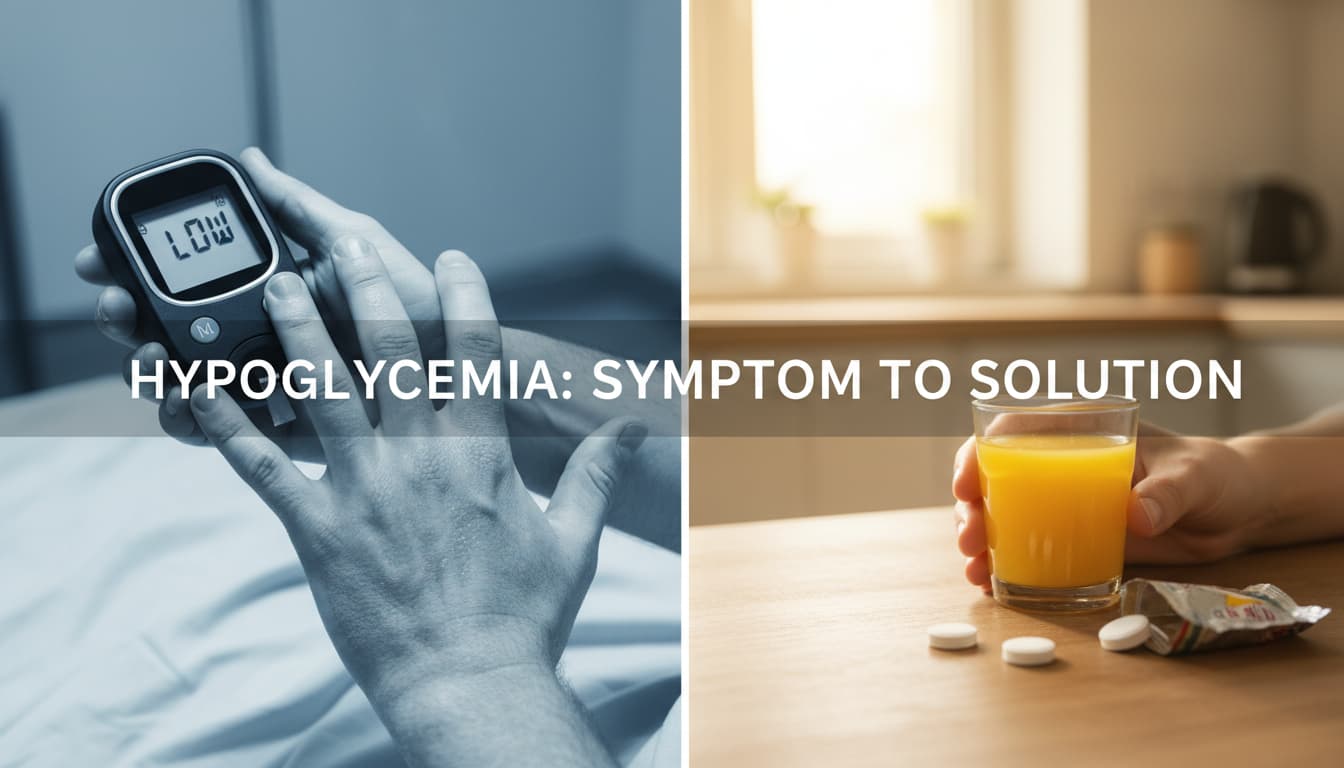
A hypoglycemic episode, commonly known as a “hypo,” occurs when your blood sugar (glucose) levels drop too low. Glucose is your body’s primary energy source, and a significant dip can lead to unpleasant symptoms and, in severe cases, become dangerous. Whether you’re managing diabetes, taking insulin, or simply focused on metabolic health, knowing how to recognize and treat a hypo is a crucial skill that empowers you to stay safe and confident in your daily life.
Hypoglycemia is typically defined as blood sugar below 70 mg/dL (3.9 mmol/L), though individual thresholds can vary. Some people experience symptoms at slightly higher levels, especially if their blood sugar tends to run high, while others may not feel symptoms until levels drop significantly lower. Understanding your own warning signs and having a clear action plan can make all the difference between a minor inconvenience and a medical emergency.
Recognizing the Signs of a Hypo
Early recognition is key to a swift and effective response. Symptoms can vary from person to person but often develop quickly. Learning to identify your unique set of warning signs allows you to act before blood sugar drops further.
Physical Symptoms
Your body sends clear signals when glucose levels fall too low. Common physical symptoms include:
- Shakiness or trembling, particularly in the hands
- Sweating, chills, or clamminess
- Sudden, intense hunger
- Rapid heartbeat or palpitations
- Dizziness or lightheadedness
- Blurred vision
- Headache
- Pale skin
- Tingling or numbness in the lips, tongue, or cheeks
Mental and Emotional Symptoms
Hypoglycemia affects brain function because the brain relies heavily on glucose for energy. These cognitive and emotional changes can be just as telling as physical symptoms:
- Confusion or difficulty concentrating
- Slurred speech
- Irritability, anxiety, or restlessness
- Feeling suddenly nervous or tearful without clear cause
- Difficulty making decisions
- Feeling weak or drowsy
Severe Symptoms
If hypoglycemia is not treated promptly, it can progress to more serious symptoms:
- Clumsiness or loss of coordination
- Inability to eat or drink
- Seizures or convulsions
- Loss of consciousness
Immediate Steps to Treat a Hypo: The “15-15 Rule”
If you suspect you or someone else is having a hypo and they are conscious and able to swallow, follow the “15-15 Rule.” This simple, structured approach helps raise blood sugar quickly without overcorrecting.
Step 1: Consume 15–20 Grams of Fast-Acting Carbohydrates
Fast-acting carbohydrates are absorbed rapidly into the bloodstream, providing the quickest relief. Good options include:
- 3–4 glucose tablets or gels (follow package instructions)
- 4 ounces (½ cup) of regular soda or fruit juice (not diet or low-calorie versions)
- 1 tablespoon of sugar, honey, or maple syrup
- 5–6 hard candies (such as Lifesavers or similar)
- 2 tablespoons of raisins
- ½ banana
Step 2: Wait 15 Minutes
After consuming fast-acting carbohydrates, resist the urge to eat more immediately. Give your body time to absorb the sugar and allow your blood sugar to respond.
Step 3: Check Your Blood Sugar
After 15 minutes, check your blood sugar using a glucose meter or continuous glucose monitor (CGM). If you don’t have access to monitoring, assess how you feel. Symptoms typically improve as blood sugar rises.
Step 4: Repeat If Necessary
If your blood sugar is still below 70 mg/dL (3.9 mmol/L) or you still feel symptoms, consume another 15 grams of fast-acting carbohydrates and wait another 15 minutes. Repeat this cycle until your blood sugar is back in a safe range.
Step 5: Follow Up with a Snack
Once your blood sugar is stable, if it’s more than an hour until your next scheduled meal, eat a small snack containing complex carbohydrates and protein. This helps maintain stable levels and prevents a second drop. Good options include:
- Crackers with cheese or peanut butter
- Apple slices with nut butter
- Half a sandwich with protein
- A small yogurt
- A handful of nuts with a piece of fruit
What to Do in a Severe Hypo (Unconsciousness or Inability to Swallow)
If a person is unconscious, having a seizure, or unable to swallow, the situation requires immediate emergency action. Do not attempt to give food or drink, as this can cause choking or aspiration.
Step-by-Step Emergency Response
After receiving glucagon, the person may experience nausea or vomiting. Once they regain consciousness and are able to swallow safely, offer a carbohydrate-containing snack to prevent a repeat hypo.
Prevention: The Best Strategy
Managing and preventing hypos is just as important as knowing how to treat them. A proactive approach reduces the frequency and severity of hypoglycemic episodes and supports stable blood sugar management overall.
Monitor Regularly
Check your blood sugar as recommended by your healthcare team. This is especially important before, during, and after exercise, when driving, and before bedtime. Regular monitoring helps you spot patterns and anticipate potential lows.
Fuel Your Activity
Physical activity increases glucose uptake by muscles, which can lower blood sugar. Before prolonged or intense exercise, eat a balanced snack containing carbohydrates and protein. Always have fast-acting carbohydrates on hand during workouts.
Don’t Skip Meals
Stick to a regular eating schedule. Skipping meals or delaying eating can increase the risk of hypoglycemia, particularly if you take insulin or certain oral diabetes medications.
Understand Your Medications
Know how your medications work, especially insulin and sulfonylureas, which can cause hypoglycemia. Factors like timing, dosage, and interactions with activity or alcohol all affect your risk. Discuss any adjustments with your healthcare provider.
Be Mindful of Alcohol
Alcohol can lower blood sugar, sometimes hours after consumption. Drinking on an empty stomach increases this risk. If you choose to drink, do so in moderation and with food.
Communicate
Inform friends, family, workout partners, and colleagues about the signs of a hypo and what to do. Wearing a medical ID bracelet or carrying a medical alert card provides crucial information in an emergency.
Exercise and Hypoglycemia: Special Considerations
For those who exercise regularly, hypoglycemia is a manageable risk rather than a barrier. Understanding how different types of activity affect your blood sugar helps you stay safe while reaping the benefits of movement.
- Aerobic exercise (walking, cycling, swimming) tends to lower blood sugar during and immediately after activity.
- Anaerobic or high-intensity exercise (sprinting, heavy lifting) can cause a temporary rise due to stress hormones, followed by a drop hours later.
- Combination activities often produce mixed effects; consistent monitoring helps you learn your patterns.
Prevention starts with knowing your numbers before you begin. Our guide on the best blood sugar levels for exercise helps you decide when it's safe to start moving. For a complete pre-workout safety checklist, see exercising safely with diabetes: 10 practical tips.
Conclusion: Empowering Yourself with Knowledge
A hypoglycemic episode can be frightening, especially the first time it happens. But with the right knowledge and preparation, you can respond calmly and effectively. Recognizing early warning signs, acting swiftly with the 15-15 rule, and focusing on preventive habits empower you to manage your health with confidence.
Being prepared also means having the right support system and tools in place. Whether it’s a trusted friend who knows the signs, a medical ID bracelet, or a consistent routine that helps you stay on track, every layer of preparation adds to your safety and peace of mind. By taking these steps, you minimize the impact of hypos and stay safe while pursuing your fitness and wellness goals.
Frequently Asked Questions
How long does it take to recover from a hypo?
Most people feel symptom relief within 10 to 20 minutes of consuming fast-acting carbohydrates, provided blood sugar rises back into a safe range. Full recovery, including mental clarity and energy levels, may take a bit longer depending on how low blood sugar dropped and how quickly it was treated.Can I exercise after having a hypo?
It’s best to wait until your blood sugar is stable and you feel fully recovered before resuming exercise. If you had a hypo during or after activity, consider whether your pre-workout fuel, timing, or medication adjustment needs review. Always consult your healthcare provider if exercise-related hypos occur frequently.What’s the difference between a mild and severe hypo?
A mild hypo is one where you remain conscious and can treat yourself by eating or drinking fast-acting carbohydrates. A severe hypo involves confusion, unconsciousness, or inability to swallow, requiring assistance from others and often emergency glucagon or medical intervention.Why do I sometimes feel symptoms even when my blood sugar is normal?
Some people develop hypoglycemia awareness changes after experiencing frequent lows. Additionally, if your blood sugar has been consistently high, you may feel symptoms at levels that are actually within the normal range. This is known as relative hypoglycemia. Discuss any concerns with your healthcare provider.How can I prevent nighttime hypos?
Nighttime hypos can be prevented by having a balanced evening snack with protein and complex carbohydrates, reviewing your medication timing with your healthcare provider, and checking your blood sugar before bed. Continuous glucose monitors with alarms can provide added safety for those at higher risk.Keep learning
Understanding hypos is an essential part of exercising safely with diabetes. For a broader look at how to start moving, which exercises work best, and how to build a routine you'll actually enjoy, visit our complete guide to exercise with type 2 diabetes.
📘 Looking for a complete plan to train at home? Read our Home Workouts Without Equipment — A Beginner's Guide for everything you need to get started.
Written by Wayne
Founder of Sweetspot Routine. Passionate about helping people with type 2 diabetes take control of their health through sustainable fitness.


