Fueling Your Sweetspot: What to Eat Before Your Diabetes-Friendly Workout
 Wayne
Wayne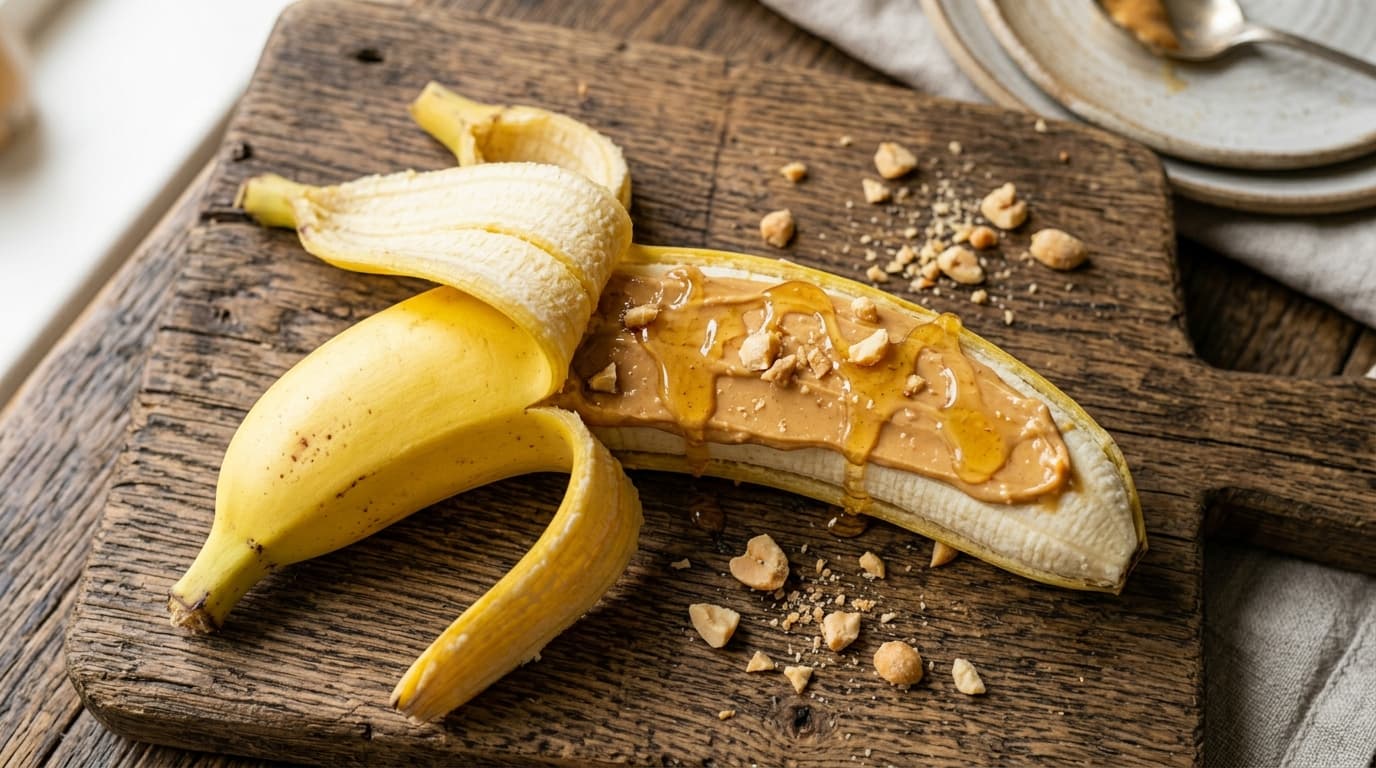
Fueling Your Sweetspot: What to Eat Before Your Diabetes-Friendly Workout
Starting a new exercise habit is one of the most powerful steps you can take to manage type 2 diabetes. Regular physical activity improves insulin sensitivity, supports weight management, and helps stabilize blood sugar levels. But if you’re like many of our readers, a common question often holds you back: “What should I eat before I start?”
Getting your nutrition right isn’t just about performance; it’s about safety. For someone with diabetes, the right pre-workout fuel acts as a stabilizer, preventing the dreaded “hypo” (low blood sugar) while giving your muscles the energy they need to complete your routine. When you fuel correctly, you remove the uncertainty and replace it with confidence—allowing you to focus entirely on the movement itself.
In this guide, we’ll explore how to fuel your body for exercise so you can feel strong, safe, and energized every time you lace up your shoes.
Why Pre-Workout Nutrition Matters for Diabetes
When you exercise, your muscles demand glucose for energy. This is a natural and beneficial process: active muscles can take up glucose from the bloodstream without requiring as much insulin. For people without diabetes, the body manages this seamlessly by balancing glucose release from the liver with glucose uptake by muscles. However, with type 2 diabetes or prediabetes, your blood sugar response can be more unpredictable.
Without the right preparation, exercise can lead to hypoglycemia—symptoms like shaking, sweating, dizziness, and confusion. This fear of lows is one of the most common reasons people with diabetes avoid regular physical activity. Eating the right thing at the right time is your best defense against these barriers. It ensures that instead of feeling weak or anxious, you feel capable of finding your “sweetspot”—that perfect balance where you get the most benefit from your training without overexerting yourself or compromising your safety.
The Golden Rule: Timing Is Everything
The best time to eat before exercise depends on what you are having and how your body typically responds to food and activity. A full meal right before jumping jacks isn’t a great idea—it can lead to discomfort and sluggishness. But exercising on a completely empty stomach can be risky if you are prone to lows or take medications that affect blood sugar.
2–3 Hours Before Exercise
If you’re having a full meal—such as lunch or dinner—aim to work out about two to three hours later. This window gives your body adequate time to digest the food, allowing nutrients to enter your bloodstream gradually. A well-balanced meal at this time provides a steady stream of energy without causing digestive discomfort during your workout.
30–60 Minutes Before Exercise
If it’s been several hours since your last meal or you’re exercising first thing in the morning, a small snack is the way to go. This provides a quick “top-off” for your blood sugar levels, giving your muscles readily available fuel without weighing you down. Pre-workout snacks should be light, easy to digest, and balanced to support stable glucose levels.
What to Eat: The Best Pre-Workout Snacks
The goal is to choose foods that provide a slow, steady release of energy rather than a sharp spike followed by a crash. The ideal pre-workout snack combines complex carbohydrates with protein or healthy fats, which help moderate the absorption of sugar into your bloodstream.
1. Complex Carbohydrates + Protein
This is the ultimate combination for stable energy. The carbohydrates provide the fuel your muscles need, while the protein slows down digestion and sugar absorption, helping you avoid sharp spikes or sudden drops.
- Apple slices with a tablespoon of peanut butter: A classic, portable, and delicious choice that balances natural sugars with protein and healthy fats.
- A small bowl of oatmeal with a few walnuts: Oats provide slow-release carbohydrates, while walnuts add protein and healthy fats—perfect for morning workouts.
- Whole-grain crackers with a slice of turkey or cheese: Simple, effective, and easy to digest.
- A small whole-grain tortilla with hummus: A light option that offers fiber, protein, and steady energy.
2. Low-Glycemic Fruits
Fruits are nature’s energy bars, but some varieties are better suited for diabetes management than others. Low-glycemic fruits have a gentler impact on blood sugar.
- Berries (blueberries, strawberries, raspberries): High in fiber and lower in sugar compared to many other fruits.
- A small pear or peach: Provides hydration, fiber, and steady energy.
- Half a banana: Bananas are higher in sugar but can work well if paired with protein like nuts or yogurt.
3. Greek Yogurt
Unsweetened Greek yogurt is high in protein and contains some natural carbohydrates. It’s light on the stomach, making it perfect before a session of bodyweight exercises or circuit training. Add a few berries for extra flavor and fiber without overloading on sugar.
4. A Handful of Nuts with a Small Piece of Fruit
Nuts like almonds or walnuts provide protein and healthy fats, while a small piece of fruit offers quick but manageable carbohydrates. This combination is portable, requires no preparation, and fits easily into any schedule.
What to Avoid Before a Workout
To keep your blood sugar stable and your stomach comfortable during exercise, it’s best to avoid certain foods and drinks before a workout.
Sugary “Energy” Drinks
Sports drinks, sweetened coffees, and energy drinks often contain large amounts of rapidly absorbed sugar. These can cause a sharp spike in blood sugar followed by a dangerous drop during your workout. Stick to water or unsweetened beverages.
High-Fat or Fried Foods
Foods like fried chicken, french fries, or heavy cream-based dishes take a long time to digest. They can make you feel heavy, sluggish, or nauseous during physical activity, and they don’t provide the quick energy your muscles need.
Large Portions
Keep pre-workout snacks small—just enough to fuel the fire, not put it out. A large meal right before exercise diverts blood flow to the digestive system instead of your muscles, leading to discomfort and reduced performance.
Simple Sugars Without Protein
Eating a candy bar or drinking soda alone before exercise can cause a rapid rise in blood sugar, followed by a sharp drop as insulin kicks in and muscles start pulling glucose. If you do choose something sweet, pair it with protein to moderate the effect.
Listen to Your Body (and Your Support System)
Every body is different. Some people find they have the most energy a few hours after dinner, while others prefer a light snack before a morning session. Your medication timing, stress levels, sleep quality, and even the type of exercise you’re doing all influence how your blood sugar responds.
This is where paying attention to your body’s signals becomes essential. If you notice you’re feeling sluggish during a workout or your energy dips halfway through, it may be a sign that your pre-workout fuel needs adjustment. Perhaps you need to eat a little earlier, add more protein, or choose a different combination of foods.
Having a supportive system in place makes this process easier. Whether it’s a coach, a workout partner, or a tool that helps you track your patterns, the right support helps you refine your approach without frustration. When you understand how your body responds, you can make small, effective adjustments that keep you feeling strong and safe.
Special Considerations for Morning Workouts
Morning exercise presents a unique challenge because you’ve likely gone several hours without eating overnight. Blood sugar levels can vary widely in the morning depending on when you last ate, your medication schedule, and the natural hormonal changes that occur upon waking (sometimes called the “dawn phenomenon”).
If you prefer to exercise in the morning, consider these approaches:
- If your blood sugar is in range (90–250 mg/dL) and stable: A small pre-workout snack like half a banana with a tablespoon of nut butter or a small serving of yogurt can provide safe fuel.
- If your blood sugar is trending low: Eat a small snack with 15–20 grams of carbohydrates before starting, and consider reducing your medication dosage if appropriate (always consult your healthcare provider first).
- If your blood sugar is elevated: Light activity like a walk may help bring levels down, but intense exercise is best delayed until levels are more stable.
Of course, what you eat is only one part of the equation. Make sure your blood sugar is in a safe range before you start — our guide on the best blood sugar levels for exercise explains exactly what to look for. And if you're not sure which exercises to pair with your pre-workout snack, explore the best exercises for type 2 diabetes.
Conclusion: Start Simple and Adjust as You Go
You don’t need a complicated diet plan to start exercising safely with diabetes. The most important thing is to start moving. Choose one of the snack ideas above, see how you feel, and adjust as you go. Keep a simple log of what you ate, when you ate it, and how your blood sugar responded during and after your workout. Over time, patterns will emerge that help you fine-tune your approach.
Remember, the goal isn’t to be a pro athlete; it’s to be your strongest, healthiest self. By fueling correctly, you remove the fear of hypos and replace it with the confidence to show up consistently. Every workout becomes an opportunity to learn about your body and build a sustainable habit that supports your long-term health.
Frequently Asked Questions
Should I work out if my blood sugar is already low?
No. If your blood sugar is below 70 mg/dL (3.9 mmol/L), treat the low first. Follow the “15-15 rule”: consume 15 grams of fast-acting carbohydrates (like glucose tablets, juice, or regular soda), wait 15 minutes, and recheck. Only start your workout once your levels are back in a safe range and you feel stable.Can I exercise on an empty stomach?
Some people prefer “fasted” cardio, but for those with diabetes, this approach carries risks. Exercising without eating can increase the risk of hypoglycemia, particularly if you take insulin or certain oral medications. Additionally, fasting exercise can sometimes cause the liver to release too much glucose, leading to a temporary spike. It is generally safer to have a small, protein-rich snack if you haven’t eaten in several hours.What if I feel a hypo coming on during my workout?
Stop immediately. Keep a source of fast-acting sugar—like glucose gel, a small juice box, or glucose tablets—nearby during exercise. Consume 15 grams of fast-acting carbohydrates and wait 15 minutes. Do not resume your workout until your blood sugar is stable and you feel fully recovered. Safety always comes first; you can always finish your session later.How do I know if my pre-workout snack is working well?
A well-chosen pre-workout snack should help you maintain steady energy throughout your exercise session without causing blood sugar spikes or drops. After your workout, check your blood sugar. If it remains within your target range and you felt energized and comfortable, your snack timing and composition likely worked well for you. If you experienced a low or felt sluggish, experiment with adjusting the timing or adding more protein.Do I need to eat differently for different types of exercise?
Yes, the duration and intensity of your workout affect your fuel needs. Short, moderate sessions (like a 20-minute circuit) may only require a light snack or no additional fuel if you’ve eaten recently. Longer sessions (over 60 minutes) or high-intensity activities may benefit from a more substantial pre-workout meal and possibly additional fuel during the activity. Always monitor your blood sugar and adjust based on your experience.Ready for more?
Good nutrition is one piece of the puzzle. For the full picture — including the best exercises, how often to train, and how to stay safe — explore our complete guide to exercise with type 2 diabetes.
📘 Looking for a complete plan to train at home? Read our Home Workouts Without Equipment — A Beginner's Guide for everything you need to get started.
Written by Wayne
Founder of Sweetspot Routine. Passionate about helping people with type 2 diabetes take control of their health through sustainable fitness.